Source modern wall mounted storage rack for kitchen and bathroom
Find and compare 30 modern wall mounted storage rack for kitchen and bathroom options from verified suppliers. Evaluate materials like stainless steel and wood, customization features, and MOQs to streamline your procurement process efficiently.
Key considerations
Products List






Comprehensive Sourcing Guide
Modern Wall Mounted Storage Rack for Kitchen and Bathroom Sourcing Guide
Sourcing modern wall-mounted storage solutions for kitchens and bathrooms requires a careful balance of aesthetic alignment, structural integrity, and functional adaptability. The market offers a diverse array of products ranging from simple single-layer wooden shelves to complex multi-tier stainless steel corner racks. Buyers must navigate this variety by focusing on specific material properties and installation requirements that suit the high-moisture environments typical of bathrooms and the heavy-load demands of kitchen storage. Understanding the distinction between classical and modern styles is crucial, as is verifying the customization options available to meet specific spatial constraints.
This guide provides a structured approach to evaluating suppliers and products based on observed market signals and technical realities. It emphasizes the importance of verifying technical specifications, ensuring compliance with safety standards, and understanding the commercial terms that govern production and delivery. By focusing on these key areas, procurement professionals can mitigate risks associated with product failure, non-compliance, and supply chain delays, ultimately securing storage solutions that enhance both the utility and visual appeal of residential or commercial spaces.
Product Scope and Observed Listing Signals
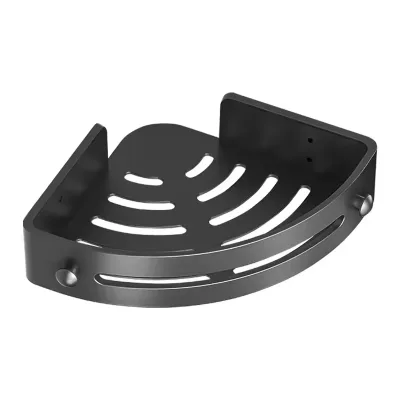
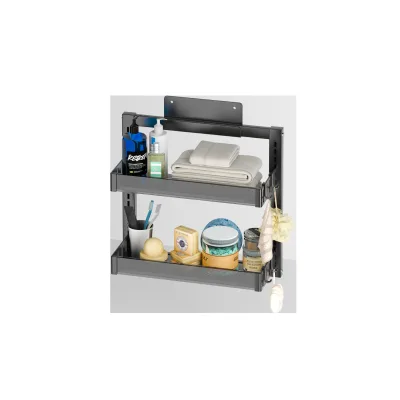
The current market landscape for wall-mounted storage reveals a wide spectrum of product configurations, primarily driven by material choice and structural design. Observed listings indicate a strong presence of wooden units, often finished in brown tones with a classical or modern aesthetic, alongside metal and stainless steel alternatives that offer a sleek, contemporary look. These products are frequently categorized by their layer count, with single-layer shelves providing minimalist storage and two-layer units offering increased capacity for heavier kitchenware or bathroom essentials. The versatility of these items is further highlighted by the availability of corner racks and sink-integrated units, which maximize space efficiency in compact areas.
Customization plays a pivotal role in the modern sourcing strategy, with many suppliers offering tailored solutions to fit unique architectural dimensions. Buyers can often request specific sizes, such as the commonly observed 600x300mm or 600x400mm standards, or opt for fully customized dimensions to accommodate irregular wall spaces. The condition of these products is consistently reported as new, and features such as disassembly capabilities and lacquer finishes suggest a focus on ease of transport and durability. Additionally, the presence of specific model numbers like 1302, 1439, and KB-KSH411 indicates a standardized production framework, allowing buyers to reference specific designs while negotiating for bespoke modifications.
Technical Specifications to Verify
When evaluating wall-mounted storage racks, the primary technical focus should be on material composition and dimensional accuracy. Stainless steel and metal options are preferred for their resistance to corrosion and moisture, making them ideal for bathroom environments, while wooden units require careful inspection of their finish and structural bonding to ensure longevity in humid conditions. Buyers must verify the dimensional tolerance of these products, as even minor deviations can affect installation and aesthetic alignment. Specifications such as a tolerance of less than ±1mm are critical for ensuring that shelves fit precisely within designated spaces without requiring extensive on-site modification.
Installation methods and load-bearing capacity are equally important technical considerations. Most modern units are designed for wall mounting, which requires robust anchoring systems to support the intended weight. Buyers should confirm the single gross weight of each unit, as this influences the type of wall anchors and hardware needed for secure installation. Furthermore, the shape and structure of the rack, whether common rectangular forms or specialized corner designs, must be assessed for stability. The ability of the product to save storage space without compromising structural integrity is a key performance indicator that should be validated through detailed technical datasheets or physical samples.
Compliance and Safety Documentation
Safety and regulatory compliance are non-negotiable aspects of sourcing wall-mounted storage, particularly for products intended for use in kitchens and bathrooms where moisture and weight loads are significant factors. Buyers must ensure that all materials used in construction meet relevant environmental and safety standards. For wooden products, certifications such as CARB (California Air Resources Board) are essential to verify that formaldehyde emissions are within safe limits, protecting indoor air quality. This certification is particularly relevant for products originating from regions with strict environmental regulations, ensuring that the wood components are not only durable but also safe for prolonged human exposure.
In addition to material safety, buyers should request documentation related to the structural integrity and finish durability of the racks. While specific test results may not always be publicly listed, suppliers should be able to provide evidence of load-bearing tests and corrosion resistance evaluations, especially for metal and stainless steel units. The lacquer finish on wooden products should be verified for its resistance to water damage and peeling, which are common failure points in high-humidity environments. Ensuring that these compliance documents are available and up-to-date helps mitigate liability risks and ensures that the final product meets the safety expectations of end-users.
Cost Drivers and Commercial Terms
The cost of wall-mounted storage racks is influenced by several key factors, including material quality, customization level, and order volume. Stainless steel and high-grade metal components typically command higher prices due to their durability and aesthetic appeal, while wooden units may vary in cost based on the type of wood and finish quality. Customization options, such as specific dimensions or unique design elements, often incur additional charges, reflecting the increased production complexity and material waste. Buyers should also consider the impact of minimum order quantities (MOQs), which can range from small batches of 100 pieces to larger volumes of 500, affecting the per-unit price through economies of scale.
Commercial terms, including delivery times and payment conditions, play a significant role in the overall procurement strategy. Standard delivery times for these products typically range from 15 to 30 days, depending on the complexity of the order and the supplier’s production schedule. Buyers should negotiate clear terms regarding sample fees, which are often refundable upon placing a bulk order, and sample lead times, which can vary from 3 to 7 days. Packaging methods, whether standard cartons or single-unit packaging, also impact shipping costs and product protection during transit. Understanding these commercial dynamics allows buyers to budget accurately and plan their inventory replenishment cycles effectively.
Supplier Qualification and Quality Control
Selecting a reliable supplier for wall-mounted storage racks requires a thorough assessment of their manufacturing capabilities and quality control processes. Buyers should prioritize suppliers who demonstrate a consistent track record of producing high-quality products, as evidenced by their adherence to standard specifications and customer feedback. The origin of the products, often from regions like Guangdong or Jiangsu in China, can provide insights into the supplier’s access to raw materials and logistical infrastructure. However, geographic origin alone is not a guarantee of quality, so buyers must verify the supplier’s production capacity and their ability to meet specific customization requests.
Quality control measures should be integrated into the procurement process to ensure that the delivered products meet the agreed-upon standards. This includes implementing pre-shipment inspections to check for defects in materials, finishes, and structural integrity. Buyers should also establish clear communication channels with suppliers to address any issues that arise during production or delivery. By maintaining a proactive approach to quality control, buyers can minimize the risk of receiving substandard products and ensure that their inventory meets the expectations of their customers. Regular audits and performance reviews of suppliers can further enhance the reliability of the supply chain.
Long-Term Procurement Checks
Sourcing wall-mounted storage racks is not a one-time transaction but an ongoing process that requires continuous monitoring and evaluation. Buyers should regularly review supplier performance metrics, including on-time delivery rates, product quality consistency, and responsiveness to issues. This ongoing assessment helps identify potential risks and opportunities for improvement in the supply chain. Additionally, staying informed about market trends and technological advancements in storage solutions can provide a competitive edge, allowing buyers to offer innovative products that meet evolving consumer demands.
Long-term procurement strategies should also include diversification of suppliers to mitigate risks associated with single-source dependencies. By maintaining relationships with multiple suppliers, buyers can ensure continuity of supply in the event of disruptions such as production delays or material shortages. Furthermore, engaging in collaborative partnerships with suppliers can lead to better pricing, improved product designs, and enhanced service levels. By focusing on these long-term checks, buyers can build a resilient and efficient procurement system that supports their business growth and customer satisfaction goals.
FAQs
Can I customize the size of the wall mounted storage rack?
Yes, the size can be customized to meet specific requirements. The product specifications indicate that dimensions are flexible, allowing buyers to request tailored measurements for their kitchen or bathroom spaces.
What materials are used for these wall mounted racks?
These racks are available in wooden, metal, and stainless steel materials. Buyers can select from options like brown wooden units or grey metal racks depending on their aesthetic and durability needs.
How long does it take to deliver the storage racks?
The delivery time typically ranges from 15 to 30 days. This lead time applies to standard orders and may vary based on the specific customization level and the supplier's current production schedule.
Which certifications do the products hold?
Some products hold CARB certification, ensuring compliance with specific safety and emission standards. This certification is relevant for buyers requiring verified material safety for indoor kitchen and bathroom environments.
What is the minimum order quantity for these racks?
The minimum order quantity can be as low as 1 piece or up to 100 pieces depending on the supplier. Some listings specify an MOQ of 100 pieces, while others allow smaller trial orders.
Are the racks designed for easy installation?
Yes, the racks are designed for wall mounting and often feature disassembly capabilities. Installation is straightforward, making them suitable for various kitchen and bathroom setups without complex tools.